|
|
|
|
|
|
|
|
      
|
|
|
|
|
|
|
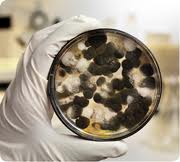
Fungi are common in both indoor and outdoor environments and play a vital role in the earth's ecology by decomposing organic matter such as dead trees and leaves. As a result, all people have routine exposure to fungi, which may occur through inhalation, ingestion, and touching moldy surfaces. The main route of exposure to mold for people living or working in moldy indoor environments is inhalation of airborne fungal spores, fragments, or metabolites. Ingestion and dermal exposures are less understood in these scenarios and can easily be minimized or prevented by workers through proper hygiene and work practices. Therefore, the remaining discussion will focus on the adverse health effects of mold due to inhalational exposure.
Adverse health effects may include: allergic reactions; toxic effects and irritation; and infections. The mere presence of mold growth does not necessarily indicate that people present in the area will exhibit adverse health effects. However, as the amount of mold-impacted materials increases so do potential exposures. Certain exposures may represent a significant risk such as occupational exposures to high concentrations of fungi and chronic (long-term) exposures, especially of individuals with underlying health conditions such as asthma, compromised immune systems, or allergies.
Evidence linking mold exposures to severe human health effects is documented in reports of occupational disease, particularly in forestry and agricultural settings where inhalation exposures were typically high and/or chronic. The intensity of mold exposure and associated health effects experienced in undisturbed indoor environments is usually much less severe than that experienced by agricultural or forestry workers. With the possible exception of exposures from mold remediation work, such high-level exposures are not expected indoors. Although high-level exposures are unlikely to occur in undisturbed indoor settings, chronic exposures to lower levels may still raise health concerns.
|
|
|
|
|
|
|